How eSIM Is Changing the Way We Stay Connected
1️⃣ Instant Mobile Activation
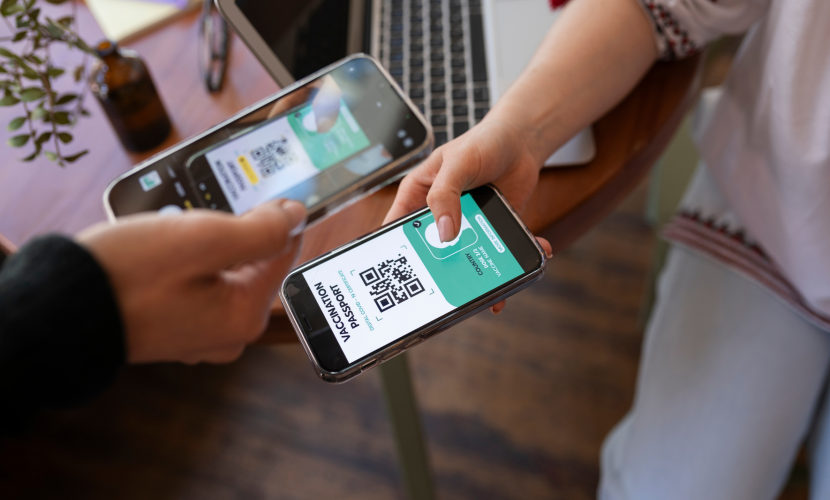
With eSIM, you can activate a mobile plan in minutes by scanning a QR code or downloading a carrier profile.
Companies like Apple, Samsung, and Google allow users to set up cellular service directly from their device settings.
Impact
-
No need to visit a carrier store
-
No physical SIM swapping
-
Faster switching between carriers
2️⃣ Easier International Travel ✈️
Travelers used to buy local SIM cards when arriving in another country. With eSIM, they can purchase a data plan online before even landing.
Benefits
-
Avoid roaming charges
-
Activate local plans instantly
-
Manage multiple countries from one phone
3️⃣ Multiple Numbers on One Device
eSIM allows devices to store several network profiles.
Example:
-
One line for work
-
One line for personal use
-
One travel data plan
Many modern phones (like the iPhone 15 and Samsung Galaxy S24) support dual eSIM or eSIM + physical SIM.
4️⃣ Smaller and More Efficient Devices
Removing the physical SIM tray saves space inside devices.
This allows manufacturers to:
-
Improve battery size
-
Enhance water resistance
-
Build smaller gadgets
This is especially important for smartwatches and wearables.
Examples include:
-
Apple Watch Series 9
-
Samsung Galaxy Watch 6
5️⃣ Powering the Internet of Things (IoT)
eSIM is crucial for connected devices that operate worldwide.
Industries using eSIM include:
-
Smart cars
-
Logistics trackers
-
Smart meters
-
Connected laptops
Companies like Qualcomm and GSMA are developing standards to make global connectivity easier for these devices.
6️⃣ More Flexible Mobile Plans
Because switching networks is easier, carriers must compete more on pricing and services.
Consumers benefit from:
-
Short-term data plans
-
Flexible subscriptions
-
Instant carrier switching
🚀 What the Future Looks Like
The shift to eSIM is accelerating.
Examples of trends:
-
Some phones (like U.S. versions of the iPhone 14) no longer have a SIM slot.
-
Many experts expect fully digital SIM devices to become the norm in the next few years.
-
eSIM is expected to expand into laptops, vehicles, and smart home devices.
✅ In simple terms:
eSIM is turning mobile connectivity into something more like Wi-Fi — quick, digital, and flexible.

Which Devices Support eSIM
07 Jul 2025
Troubleshooting Common eSIM Activation Issues
07 Jul 2025

How to Use eSIM When Traveling Abroad
19 Apr 2025